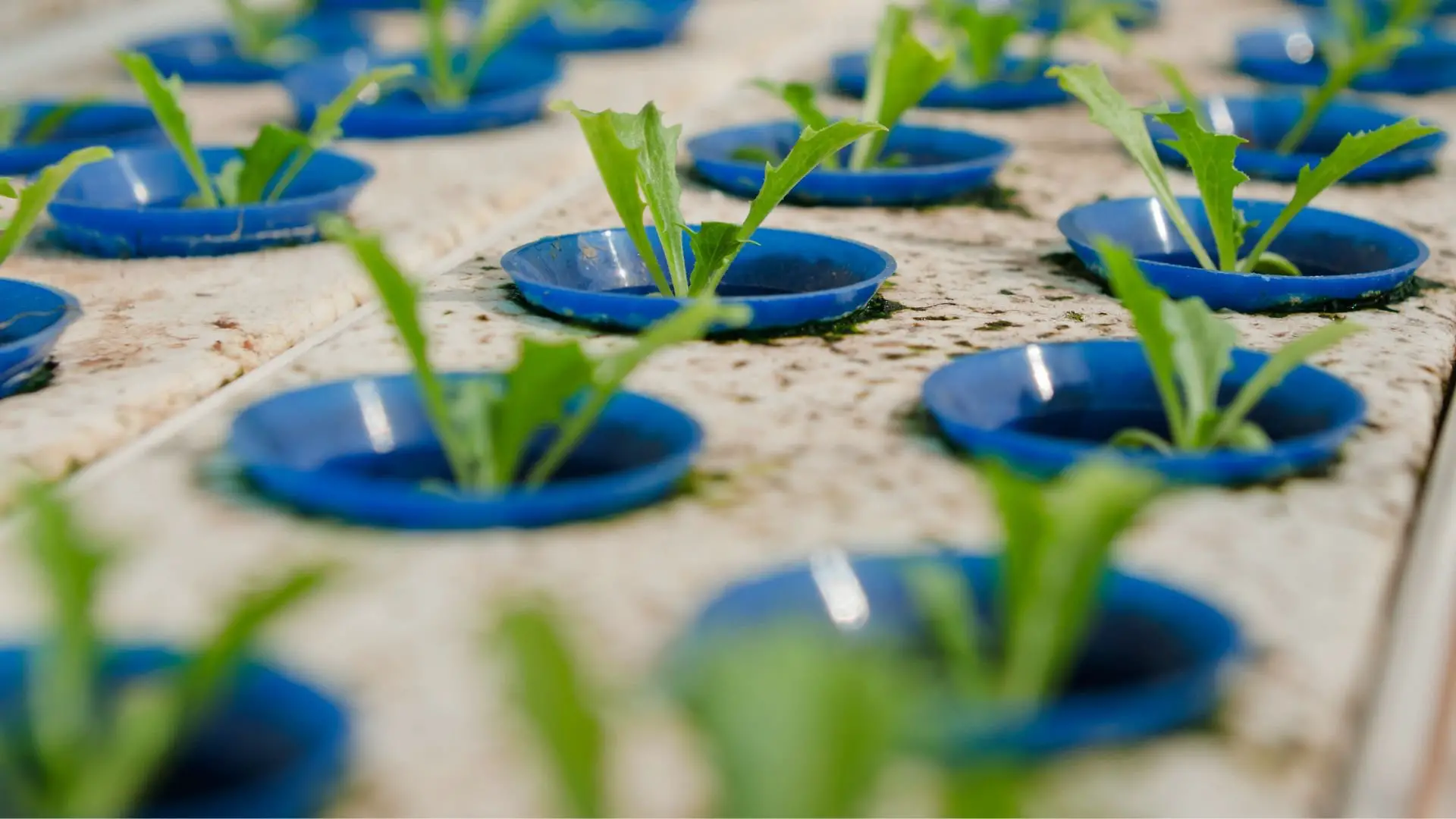
In the world of hydroponic gardening, precision is key. Hydroponic timers are the unsung heroes of soilless cultivation, providing the critical function of automating various aspects of your hydroponic system. These devices allow you to control when and how long your grow lights, water pumps, and other system components operate. In this 800-word blog post, we’ll delve into the world of hydroponic timers, exploring their importance, types, functions, and how they contribute to the success of soilless gardens. For more information regarding hydroponic plant one can visit our site https://hydroponicglobal.com.au/.
Understanding Hydroponic Timers:
Hydroponic timers, also known as grow light timers or irrigation timers, are devices that enable growers to automate the timing of essential functions within a hydroponic system. These functions can include controlling the lighting schedule, regulating nutrient solution delivery, and managing other equipment such as fans or air pumps.
Functions of Hydroponic Timers:
1. Lighting Control: One of the primary uses of hydroponic timers is to control the lighting schedule in indoor or greenhouse hydroponic setups. Timers can turn grow lights on and off at specific intervals, ensuring that plants receive the right amount of light each day.
2. Irrigation Timing: Timers regulate the timing and duration of nutrient solution delivery to plant roots. This precision ensures that plants receive water and nutrients in a consistent and controlled manner, optimizing their growth.
3. Aeration and Ventilation: Hydroponic timers can also be used to control the operation of fans, air pumps, or ventilation systems. These systems help maintain the proper environmental conditions in the grow area.
Types of Hydroponic Timers:
There are several types of hydroponic timers available, each designed for specific functions and applications:
1. Digital Timers: Digital timers offer precision and flexibility. They often come with multiple outlets and customizable schedules. Some advanced models can be programmed with different on/off cycles for each outlet.
2. Mechanical Timers: Mechanical timers are straightforward and reliable. They use mechanical dials and pins to set on/off times. While less flexible than digital timers, they are suitable for basic applications.
3. Interval Timers: Interval timers are used to control equipment that operates in cycles. They can be set to turn equipment on and off at specific time intervals, making them useful for applications like nutrient solution delivery.
4. Wi-Fi-Enabled Timers: These timers can be controlled remotely through a smartphone or computer. They provide growers with the convenience of adjusting schedules from anywhere with an internet connection.
Choosing the Right Hydroponic Timer:
Selecting the appropriate hydroponic timer depends on your specific needs and the complexity of your hydroponic system. Consider the following factors:
1. Number of Outlets: Determine how many devices or equipment you need to control. Ensure the timer has enough outlets for your setup.
2. Programming Flexibility: If you require precise control over multiple aspects of your system, opt for a digital timer with customizable schedules.
3. Ease of Use: Consider the user-friendliness of the timer, especially if you’re new to hydroponics. Digital timers often offer more intuitive programming options.
4. Remote Control: If you prefer the convenience of remote control, invest in a Wi-Fi-enabled timer that allows you to adjust settings from a mobile device or computer.
5. Durability: Choose a timer from a reputable manufacturer known for reliability and durability. Timers should withstand the moisture and humidity typically present in hydroponic environments.
Installation and Maintenance:
Proper installation and maintenance of hydroponic timers are essential for their effective operation:
1. Mounting: Install the timer securely in a location where it’s protected from moisture and easily accessible for programming.
2. Setting Schedules: Follow the manufacturer’s instructions to program the timer with your desired on/off schedules for lighting, nutrient delivery, or other equipment.
3. Regular Checks: Periodically check the timer to ensure that it is functioning correctly and adhering to the programmed schedules.
4. Backup Power: Consider using a timer with a backup battery or surge protection to prevent schedule disruptions due to power outages.
Benefits of Hydroponic Timers:
Hydroponic timers offer several advantages for soilless gardening:
1. Precision: Timers provide precise control over lighting, irrigation, and other functions, ensuring that plants receive consistent care.
2. Efficiency: Automation reduces the need for manual intervention, saving time and effort for growers.
3. Optimal Growth: Timers help create the ideal conditions for plant growth by managing light, nutrient delivery, and environmental factors.
4. Conservation: Timers can promote resource conservation by minimizing energy and water usage during specific times.
In Conclusion:
Hydroponic timers are indispensable tools for hydroponic gardeners seeking precision and control over their growing environments. Whether you’re a beginner in hydroponics or an experienced grower, understanding the importance of hydroponic timers and how to select, install, and maintain them is crucial for achieving thriving, high-yield crops in your soilless garden.